Red Light Panels for Beginners: What They Are and How to Start at Home
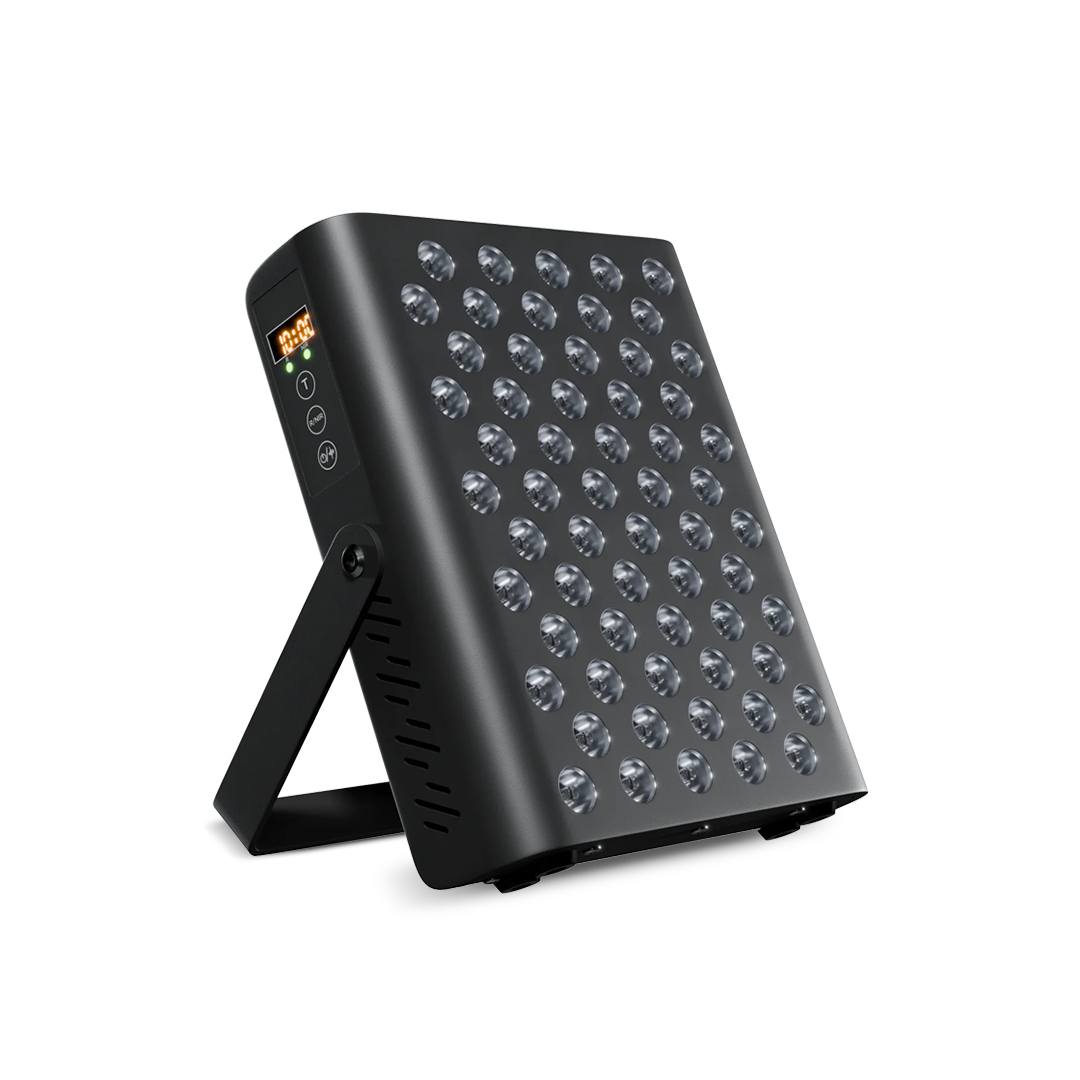
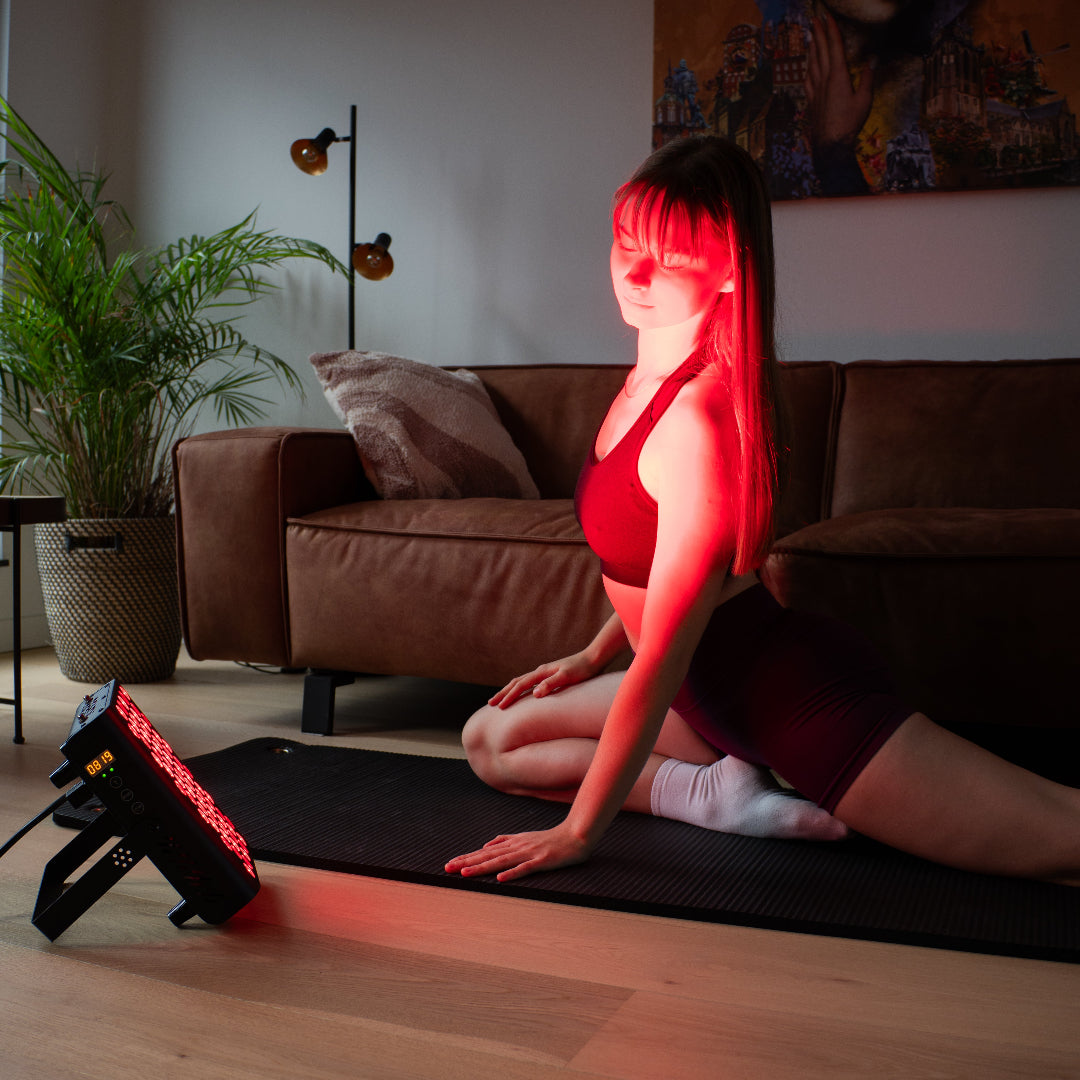
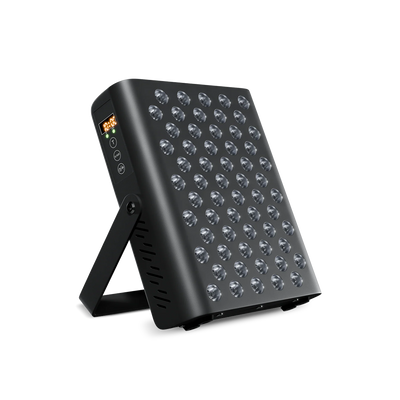
A red light panel is a flat board of LEDs that gives off red and near-infrared light at close range. People use one at home for short, regular sessions as part of a wellness routine. This guide explains what is inside a panel, what the numbers on the box mean and how to start without overdoing it. Our LED red light therapy panels collection shows what we sell in Hong Kong.
What a red light panel is
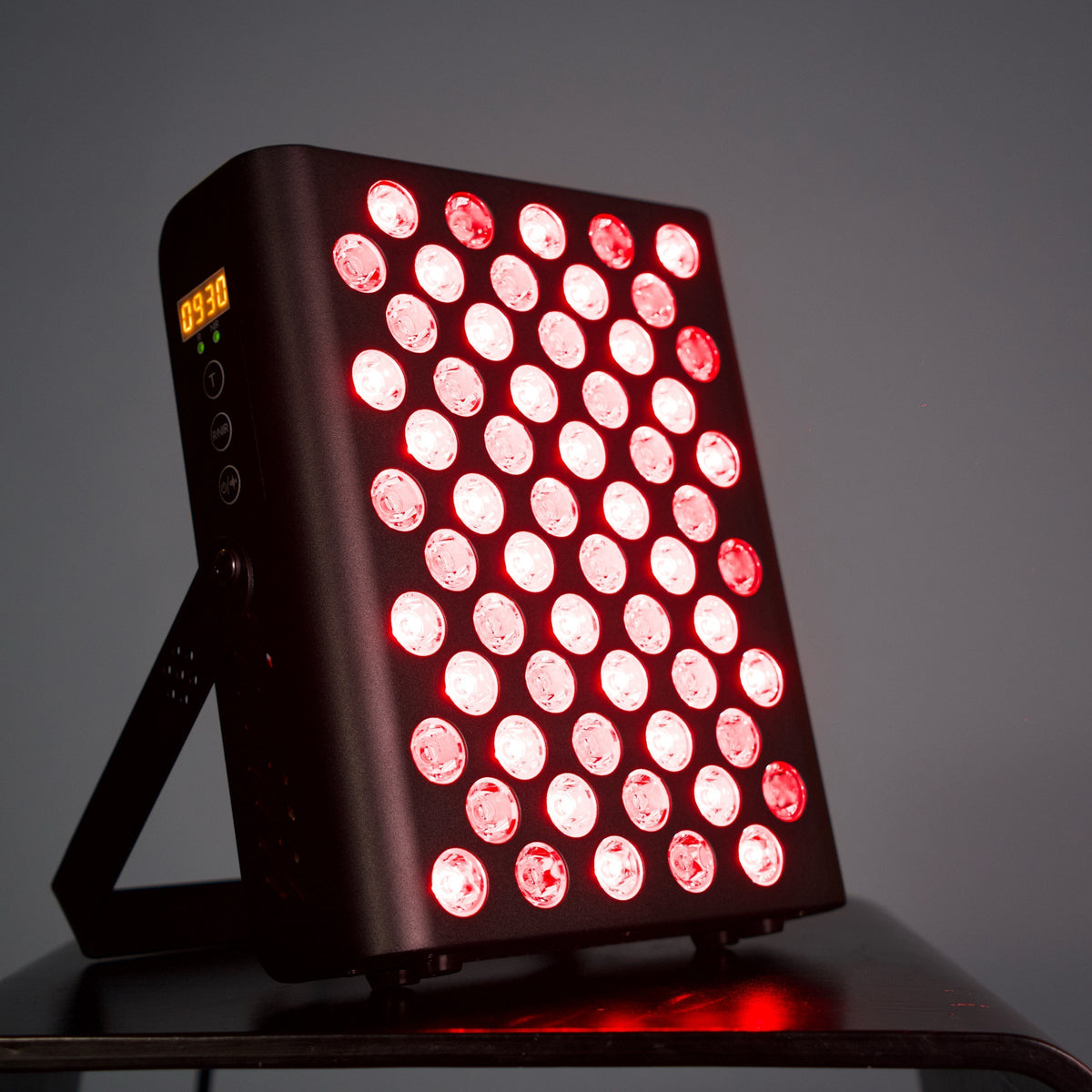
The panel carries rows of LEDs, each made to give off a narrow band of light. A band is described by its wavelength in nanometres (nm). Two bands are common: about 660 nm, which is deep red and easy to see, and about 850 nm, which is near-infrared and close to invisible. Neither band is ultraviolet light.
Online, this kind of product is often searched for as red light therapy. The panel itself is a light source: you place it, switch it on and sit in front of it for a few minutes.
The numbers on the box
Four figures do most of the work when you compare panels:
- Wavelength (nm): which bands the LEDs give off, for example 660 nm and 850 nm.
- LED count: how many LEDs the panel has, and how many of each band.
- Power (W): check whether it is a nominal rating or measured consumption; neither is the amount of light reaching you.
- Irradiance (mW/cm²): how much light reaches a surface, which only means something together with the distance it was measured at.
Our guide to reading red light panel specifications goes through each one with a worked example.
How people start
A gentle start is the sensible approach, and the advice for MARS 400 is simple:
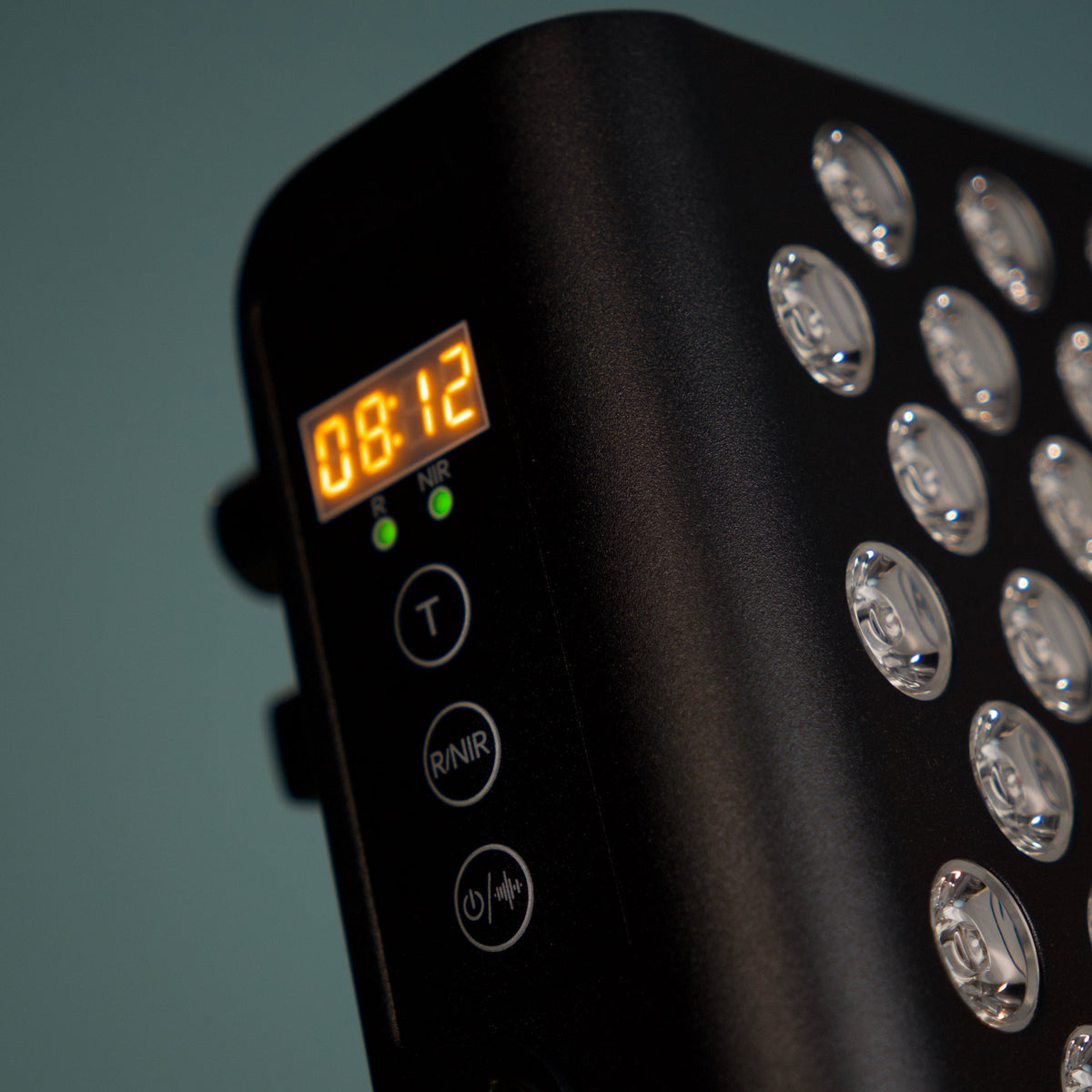
- Use one standard 10-minute cycle for the session, and stop sooner if uncomfortable.
- The manual suggests three sessions per week when starting.
- Begin about 30 cm from the LED face; the manual describes a 15–30 cm operating range.
- Do not restart the timer to lengthen the same session or double a missed session.
Our session set-up guide covers distance, timer, eye protection and the room.
Who should check first
Check with a qualified professional before using a panel if you are pregnant, photosensitive, take medication that makes you sensitive to light, or have a relevant medical condition. Always protect your eyes. Wear the protective glasses that come with the panel and do not look straight into the LEDs, including in near-infrared mode, where the light is hard to see.
Choosing a panel for a Hong Kong home
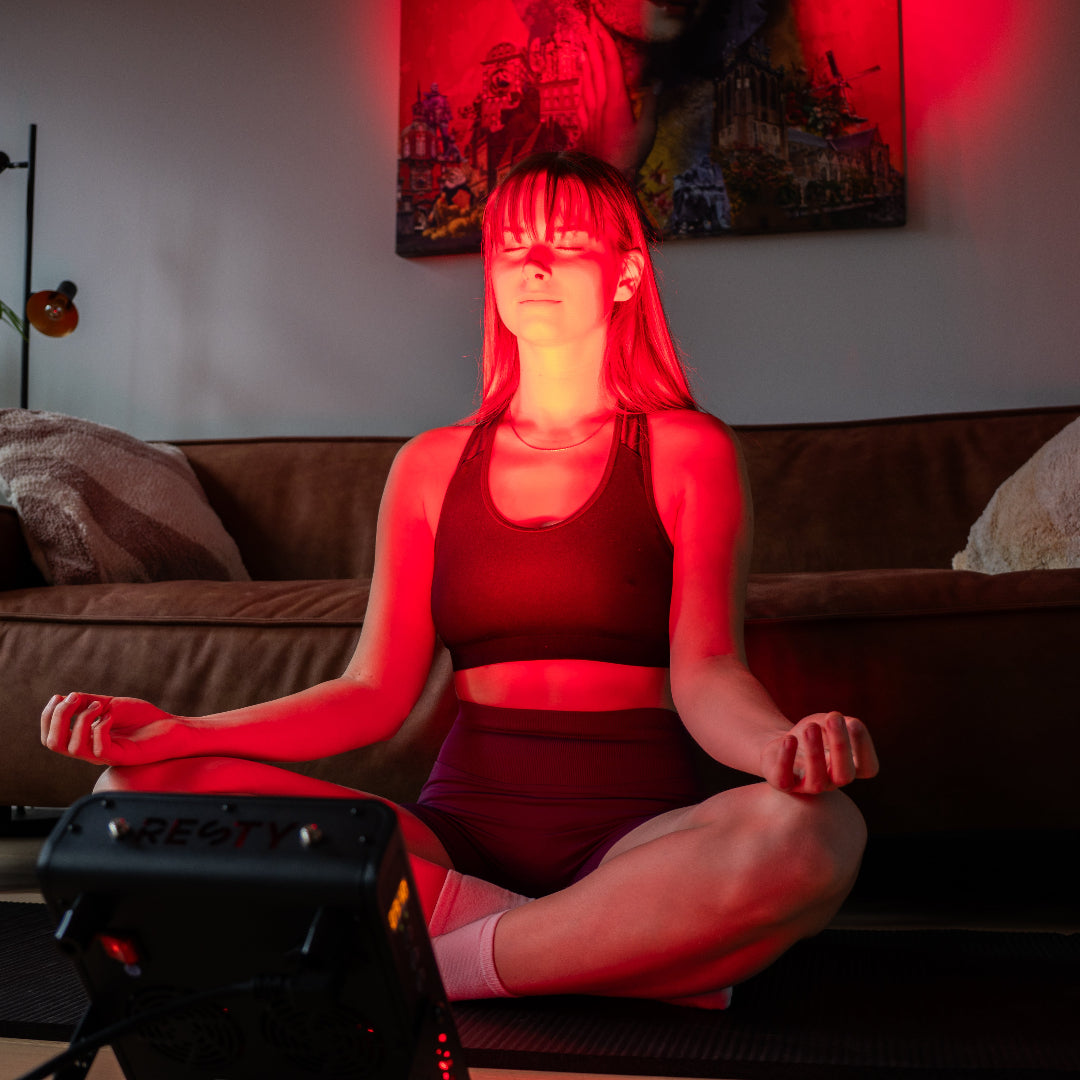
Choose a dry, level tabletop away from edges and liquids. MARS 400 has an attached folding stand; allow space for airflow, the cable and your starting distance. If space is tight, ask us to confirm the panel and stand measurements before ordering. Do not improvise a wall or door mount.
Quick answers
Is a red light panel the same as a tanning bed?
No. The two bands in a panel such as MARS 400, 660 nm and 850 nm, are red and near-infrared light, not ultraviolet light. Tanning beds use ultraviolet light.
Do I need a dark room?
No. Room light does not change what the panel delivers. The session set-up guide explains why some people still prefer a dimmer room.
Can I use it every day?
The MARS 400 manual suggests beginning with three sessions per week, each limited to one standard cycle. It does not tell you to add daily sessions or repeat the timer. Ask a qualified professional if you need advice about your circumstances.
Read next
- Eye safety: the glasses, and why near-infrared needs the same care.
- Nine checks before you buy: a short list to compare any panel.
- Glossary: fourteen terms from the specification in plain language.
- Panel or LED mask: how the two formats differ.
- How ordering works: delivery, cancellations and the warranty.
Where MARS 400 fits
MARS 400 is a tabletop panel for a chosen area, such as the face or neck. It has 60 LEDs, split between 660 nm red and 850 nm near-infrared, three light selections, side controls and a standard 10-minute cycle. The package includes its stand, original power accessories, protective glasses and manual. The free Hong Kong delivery and 3-year warranty terms are on the product page.